
Ask any digital nomad where to go and you’ll hear the same three names: Bali, Lisbon, Chiang Mai. For Indian remote workers, though, hopping continents isn’t always realistic. Visas, flight costs, the whole planning process, it adds up fast.
So many Indian remote workers have started looking closer to home instead. Goa sounds great until the monsoon hits and your Wi-Fi gives up. Manali’s lovely too, but try holding a stable connection there in peak winter. What was missing was something actually built for this, not just a pretty backdrop with decent signal.
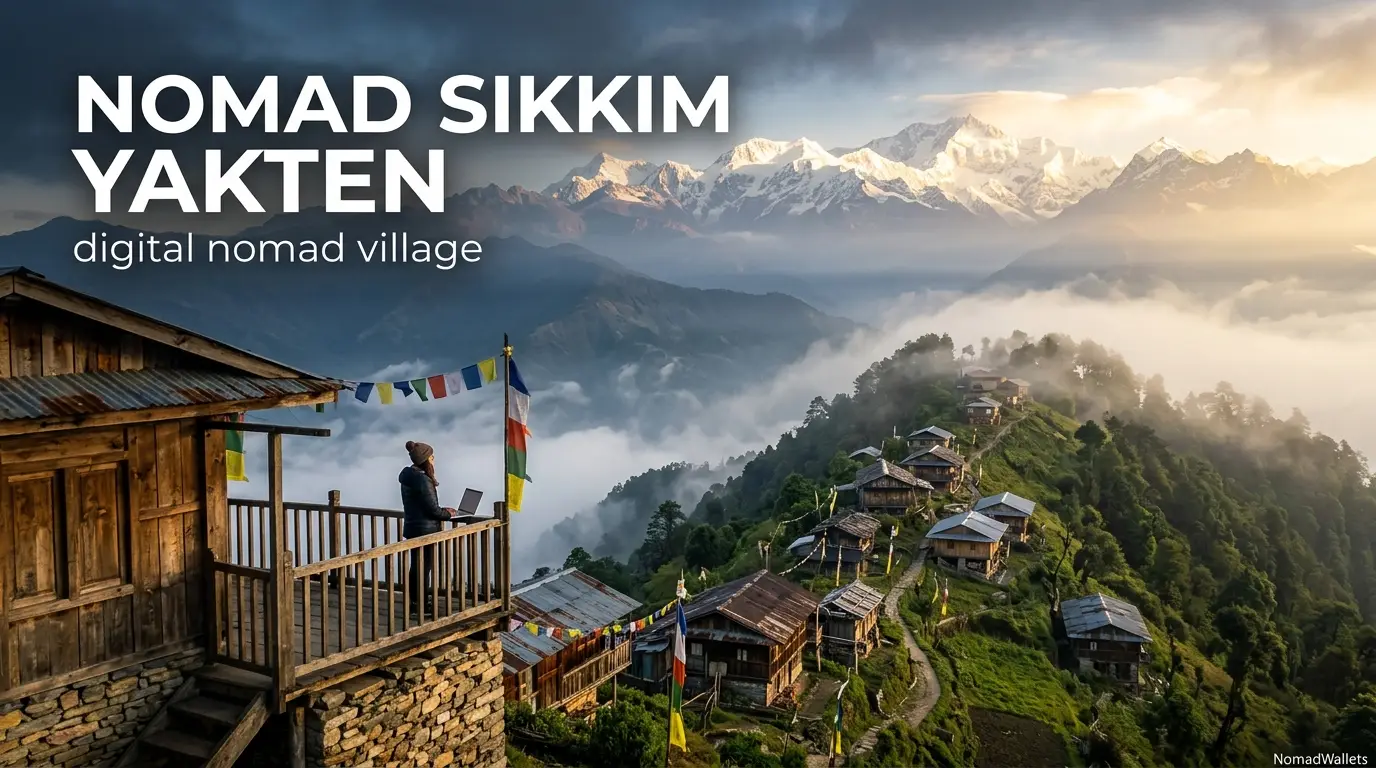
That’s roughly where Yakten comes in. Tucked into Sikkim’s Pakyong district in the Eastern Himalayas, this small village was officially declared India’s first Digital Nomad Village on 14 July 2025, according to the Sikkim government’s own announcement. The project, called Nomad Sikkim, is a joint effort between the Pakyong District Administration and the NGO Sarvahitey. If “digital nomad village in India” is a phrase you’ve been Googling, Yakten is one of the strongest examples currently emerging in India.
This guide gets into the actual logistics: what it costs, how the internet holds up, where you’d stay, and what a normal day looks like.
What Exactly Is a Digital Nomad Village?

It’s more than a town that happens to have a few Wi-Fi-equipped cafes. A proper digital nomad village is built around remote workers specifically. Coworking spots, decent connectivity, accommodation that doesn’t require a six-month lease, and usually some kind of community layer so you’re not just alone in a guesthouse.
Until recently, finding a true digital nomad village in India meant flying out of the country. Yakten changes that. It’s still young as a destination (the inauguration was barely a year ago), but the groundwork is real, not just a label slapped on a few homestays.
Why Yakten? The Appeal of a Workation in Sikkim
The pitch is pretty simple: somewhere quiet, somewhere cheap by international-destination standards, and somewhere that doesn’t melt you alive in May. Sikkim checks a surprising number of boxes.
The climate helps a lot. The Eastern Himalayas stay temperate, so you skip the brutal plains-summer heat entirely. The village offers Himalayan views, with pine forests on one side and open valleys on the other, set against a setting that feels very different from the usual city-based remote work environment.
Safety is another big one. Sikkim is consistently described as one of India’s safer states, and it fits a pattern we’ve seen across other safe havens for digital nomads, many travellers find it welcoming and comfortable for solo visitors, which matters more than people admit when you’re heading somewhere unfamiliar alone.
But honestly, the biggest selling point might just be how little there is to distract you. No nightlife scene pulling you out at 11pm, no mall five minutes away, not even a proper grocery shop in the village itself (more on that below). If you’ve got a deadline and need to actually sit down and work, that’s not a bad thing.
Internet, Accommodation, and Work Setup, the Stuff That Actually Matters
A mountain view is nice. It means nothing if your 9am call drops every four minutes.

Internet Connectivity
This is usually the first question anyone asks about working remotely outside India’s major metros, and fair enough. It’s the one thing that can ruin everything else.
According to local coverage of the project, Yakten runs on two separate high-speed internet lines plus village-wide Wi-Fi, so there’s a backup if one connection drops. Reported speeds vary a bit depending on the source and the homestay, generally somewhere in the 25 to 50 Mbps range, with some rooms reportedly reaching closer to 100 Mbps after recent upgrades.
Power cuts are common in the hills, so homestays are also said to run on inverters and battery backup, which matters just as much as the internet itself when you’re mid-call.
It’s still smart to carry a backup SIM. Jio or Airtel both work reasonably well here. Mobile data in Sikkim is generally solid, and having a personal hotspot as backup has probably saved more deadlines than people like to admit.
Accommodation and Coworking
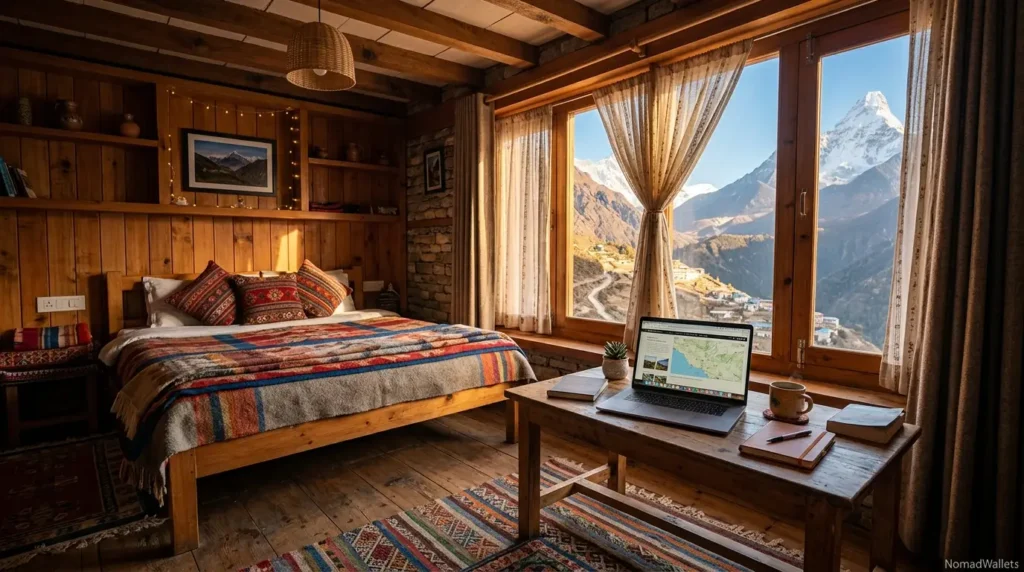
Coverage of the project describes eight co-working homestays in Yakten, run by local Limbu and Bhutia families. These aren’t generic guesthouses with a desk shoved in the corner. Each one has reportedly been upgraded specifically for remote work: dedicated workspaces, Wi-Fi, hot water, and clean washrooms, alongside the usual homestay basics.
As one first-person account of staying in Yakten put it, the experience of being hosted by a local family made a solo trip feel far less solo.
That’s really the difference here compared to a typical coworking setup. You’re not paying a stranger’s company for a desk. The money goes directly to the family hosting you, which is part of the point: helping local homestay owners earn through the off season instead of relying on just a few months of tourism a year.
The Cost of Living in Yakten
This is probably the strongest financial argument for any digital nomad village in India, and compared to Bangalore or Mumbai rent, it’s genuinely not close.
Reported figures vary slightly depending on the source, but a private room generally runs somewhere between ₹1,000 and ₹1,500 a night, or around ₹15,000 a month if you’re staying long term. Food is usually separate and is reported at roughly ₹600 a day for three home-cooked vegetarian meals, sourced locally.
Here’s a fuller monthly breakdown including everything else you’d realistically spend:

| Expense Category | Estimated Monthly Cost (INR) | Estimated Monthly Cost (USD) | Details |
| Accommodation | ₹15,000 (approx) | $180 (approx) | Private room in a co-working homestay |
| Food | ₹18,000 (approx, ₹600/day) | $215 (approx) | Three home-cooked meals daily, organic and local |
| Transportation | ₹1,500 to ₹3,000 | $18 to $36 | Shared taxis to Gangtok or Pakyong (private cabs cost more) |
| SIM and Internet | ₹500 to ₹1,000 | $6 to $12 | Prepaid mobile data as backup |
| Miscellaneous | ₹2,000 to ₹4,000 | $24 to $48 | Weekend treks, permits, gear rental |
| Total | ₹37,000 to ₹41,000 (approx) | $440 to $490 (approx) | Affordable compared to metro cities |
Note that these figures are early-stage and self-reported by a handful of sources, so they can shift as the initiative grows. Always confirm current pricing directly with Nomad Sikkim when you apply.
Put that next to a one-bedroom flat in any major Indian city and the math behind this digital nomad village in India does most of the convincing for you.
The Lifestyle in Sikkim
Once you log off, Sikkim gives you plenty to do with the rest of your day. There are walking trails around the village, including one up to Jhandi Dara, known for sweeping mountain views. If you’re into nature, the same source mentions the Kaiser-i-Hind, a rare butterfly species found in this part of the Himalayas, as one of the things spotted around the village.

For a bigger outing, Gangtok is about an hour and a half away by car and makes for a solid day trip or weekend escape. MG Marg’s cafe scene is worth the drive on its own, and Rumtek Monastery is a calm half-day visit if you want something more reflective than a shopping street.
Which brings up the other thing worth mentioning: the community itself. Yakten doesn’t have shops or restaurants in the conventional sense (the nearest groceries are a 30-minute drive to Pakyong town), so a lot of daily life happens around shared meals and informal hangouts with other nomads and your host family.
Some coverage of the village also mentions local cultural activities like cooking classes and folk performances, though this likely varies by season and by which families are hosting at the time, so it’s worth checking what’s actually on when you book rather than expecting it as a given.
Who Should Consider Yakten?
It’s not for everyone, and that’s fine. If you need nightlife, shopping, or a fast-paced city buzz to feel normal, Yakten will probably frustrate you within a week. There’s no pharmacy or hospital in the village either, so anyone with ongoing medical needs should plan around trips to Pakyong or Gangtok for that.
But if what you’re after is focused work time, mountains, and a slower pace of life, it tends to fit really well.
That’s really the test for whether this particular digital nomad village in India is right for you.
Things to Know Before You Go
Set your expectations early. You won’t find Goa’s cafe density or Bali’s entertainment scene here. That’s not what this place is trying to be.
What Yakten offers instead is a quieter rhythm: work through the day, explore when you’ve got the time, and settle into a slower version of life than most of us are used to. For some people that’s exactly the point. For others, it’ll feel like too much nothing. Worth being honest with yourself about which camp you’re in before booking anything.
One practical note: there are no walk-ins. You can’t just show up and ask for a room. Bookings go through an application form on the Nomad Sikkim website, and the team reviews it before confirming your stay.
Best Time to Visit
March to May brings spring weather and flowers in bloom, while October and November give you the clearest skies and best mountain views. It’s generally best to avoid July and August, since heavy monsoon rain increases the risk of landslides on the hill roads into Yakten.
Managing Money as a Digital Nomad in Sikkim
Sorting out your financial setup matters just as much as picking the destination itself.
UPI works almost everywhere. From your homestay host to the taxi driver, GPay, PhonePe, and Paytm are all widely accepted, so you don’t need to carry much cash around. Just make sure your bank account and UPI apps are fully KYC compliant before you leave.
Forex and travel cards are worth having if you also travel internationally. Locking in exchange rates and dodging conversion fees adds up over time. We’ve got a Best Travel Cards for Indians guide if you want to compare options.
Banking apps matter more than people expect. Paying for an international software subscription from a mountain village is a different experience depending on whether your bank charges forex markup. Check our guide to the best mobile banks for travelers to find one that won’t eat into your budget.
Keep an emergency fund. Mountain roads get blocked by landslides more often than you’d think, and an unplanned extra week isn’t unusual. ₹15,000 to ₹20,000 set aside in an easily accessible account is a sensible buffer.
How to Get to Yakten
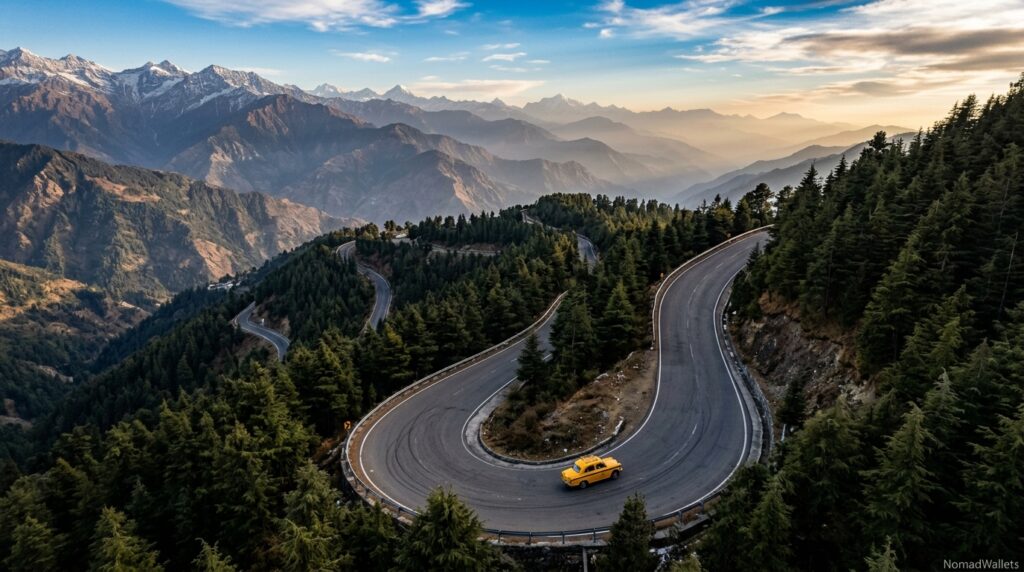
- Fly in. Bagdogra (IXB) in West Bengal is the main airport, well connected to Delhi, Mumbai, and Kolkata. Pakyong Airport is technically closer to Yakten (about 10 km away) but is not currently operational, so Bagdogra is your real entry point.
- Get to Gangtok or straight to Yakten. From Bagdogra, a private taxi to Yakten directly takes around 5 hours. If you’d rather break up the trip, you can stop in Gangtok first, which is roughly 4 to 5 hours from Bagdogra and about 32 to 35 km from Yakten itself.
- Coordinate with the team. The folks at Nomad Sikkim usually help arrange shared cabs for incoming nomads once your stay is confirmed, which is a decent way to cut costs and meet people before you’ve even arrived.
Tips for Living in the Sikkim Digital Nomad Hub

- Pack for the cold. Himalayan evenings get genuinely chilly even outside winter. Layers, a solid windcheater, and proper walking shoes go a long way.
- Bring your essentials. There are no shops or stores in the village itself, so stock up on anything you need before arriving, especially medication. Pakyong town, a 30-minute drive away, is the nearest place to restock.
- Permits. Indian citizens don’t need a permit to enter Sikkim itself, but North Sikkim and Nathu La Pass require a Protected Area Permit. Your homestay host or a local Gangtok travel agent can usually sort this for you without much hassle.
- Respect local culture and the zero-waste rules. Sikkim’s traditions run deep, and Yakten in particular is reported to follow zero-waste practices, including composting and waste separation in homestays. Dress modestly around monasteries, avoid plastic carry bags, skip the loud music, and always ask before photographing people.
Conclusion
For Indian remote workers tired of crowded, expensive cities, this digital nomad village in India is more than an interesting experiment. It’s an early working model of what rural India and the gig economy can build together when the infrastructure is actually there. Between the dual internet lines, eight family-run homestays, and a community of professionals showing up from across the country, Nomad Sikkim has a real shot at becoming a blueprint for similar villages elsewhere in the Northeast.
Whether you’re a writer chasing a quiet place to finish a draft or a founder who just needs a change of scenery, Yakten is worth a serious look, and especially while the community is still developing.
Frequently Asked Questions (FAQs)
Q1. What is the Nomad Sikkim Yakten initiative?
A. It’s a joint project between the Pakyong District Administration and the NGO Sarvahitey, turning the village of Yakten into India’s first official Digital Nomad Village. It offers co-working homestays, high-speed internet, and a built-in community for remote professionals.
Q2. Is Sikkim safe for digital nomads?
A. Sikkim is generally regarded as one of India’s safer states, and many travellers, including solo visitors, describe it as welcoming and comfortable to explore.
Q3. Will my internet work in Yakten?
A. Reportedly, yes. The village is said to run on two high-speed internet lines plus village-wide Wi-Fi, with speeds reported between 25 and 100 Mbps depending on the homestay, along with power backup for outages. Grabbing a local Jio or Airtel SIM on arrival also gives you a solid mobile backup.
Q4. How much does it cost to live in this digital nomad village in India?
A. Expect somewhere around ₹37,000 to ₹41,000 a month for accommodation and food together, plus a bit more for transport and extras. Accommodation alone is reported at roughly ₹1,000 to ₹1,500 a night, or about ₹15,000 a month for longer stays.
Q5. How do I book my stay?
A. There are no walk-ins. You apply through the official Nomad Sikkim website, and the team reviews your application before confirming availability and pricing.
Q6. Is Yakten the only digital nomad village in India?
A. Yes, for now. Yakten holds the official title of India’s first Digital Nomad Village, and as of writing it’s the only one operating under that designation. The organizers behind Nomad Sikkim have said they plan to replicate the model elsewhere in Sikkim, and there’s been talk of similar hill regions like Darjeeling and Kalimpong eventually following a similar approach. Nothing concrete has launched yet, so Yakten remains the only one actually up and running.
This guide is based on publicly available news coverage of the Nomad Sikkim initiative as of mid-2026. Costs, internet speeds, and facilities are still evolving as the project grows, so please confirm current details directly with Nomad Sikkim before booking.

Tushar Sharma is the founder and editor of NomadWallets, where he writes about international banking, travel cards, cross-border payments, taxes, and financial tools for digital nomads and globally mobile professionals. He created NomadWallets to make global money decisions simpler through practical, research-backed guides built from official sources and real-world financial data.